
Guilty or Not Guilty?
Why courtroom dramas make us think

Being a fan, I rejoiced when I heard that Law & Order has been renewed for a 26th season. The hit TV series has spawned a slew of spinoffs including a splendid UK version with equally twisty plots and Harriet Walter, one of my favorite British performers. Plus it has the robes and wigs.
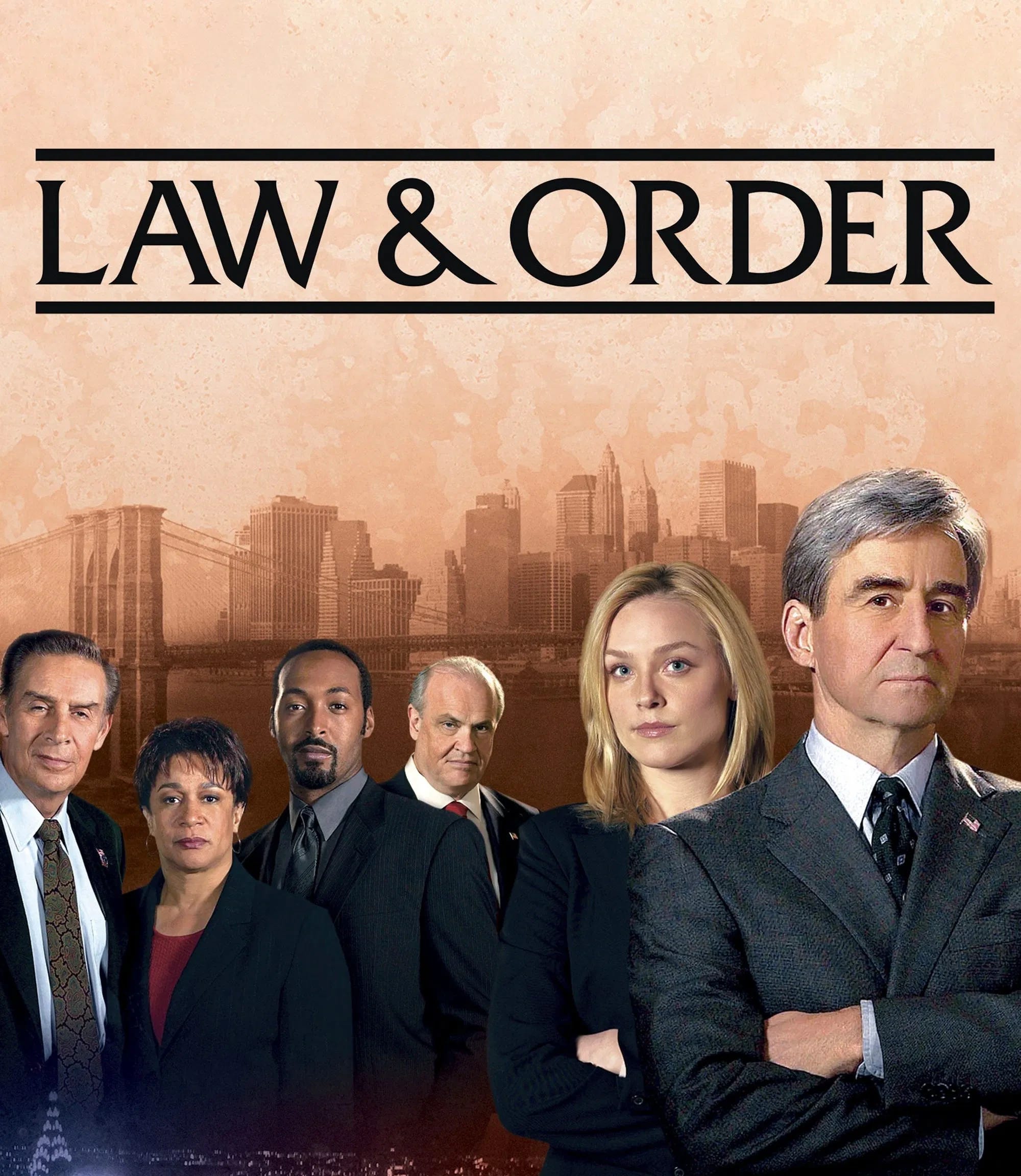
Each Law & Order episode deftly knits together two venerable dramatic motifs—the detective story and the courtroom drama. In western literature, Oedipus could be considered the original crime investigator. He searches for the killer of King Laius only to discover that he committed the crime himself. Shakespeare included trial scenes in both The Merchant of Venice and Henry VIII.
I’ve written about historical detectives previously, so here I’m taking a look at fictional trials set in different eras.
Why writers love courtroom dramas
For a novelist or scriptwriter, organizing all or part of your story around a trial has clear advantages:
You have a rationale or inciting incident. Someone committed a crime, and someone has been accused. Your audience will want to see that resolved.
There’s built-in tension. What will the verdict be?
You start out with a partial character list instead of a blank page. Generally, you need a judge, prosecutor, defense attorney, defendant, and some witnesses.
Trials raise profound moral and intellectual questions if you want to delve into them.
For more wide-ranging novels, a trial can pick up the pace. I read A Tale of Two Cities in high school, and I can pinpoint the moment I began to enjoy it. Sidney Carton, a hard-drinking, world-weary barrister, helps defend the honorable French aristocrat, Charles Darnay.
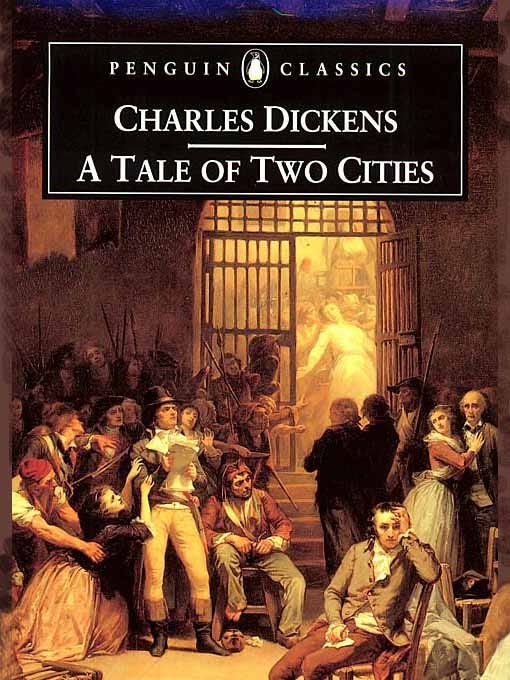
The two men resemble each other and love the same woman—that Charles Dickens really knew how to build a plot. Darnay’s trial transforms this sweeping literary classic into a page turner.
More than theatricality
Beyond the dramatic tension, fictional trials can raise fundamental questions about justice itself. For me, two unforgettable courtroom dramas offer potent warnings about how easily justice can be corrupted. One is set in 20th century America and the other in Tudor England. They happen to be two of my favorites:
I read Harper Lee’s beautifully-crafted tale of the Jim Crow South when I was in my early teens. Atticus Finch, a lawyer, defends Tom Robinson, a young black man falsely accused of rape. Readers see the trial through the eyes of Finch’s children, Scout and Jem. The all-white jury ignores the evidence and convicts the defendant. I wasn’t much older than Scout and Jem, and like them, I was shocked to learn that racism could make the right to trial meaningless.
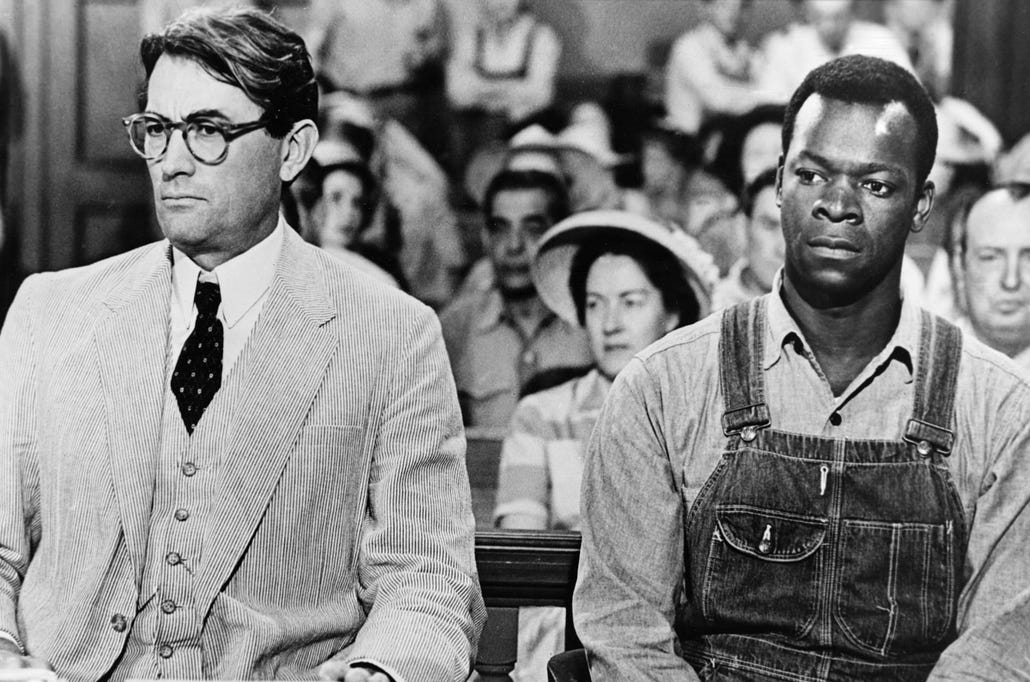
In the novel, Finch tries to explain the verdict to his son: “There’s something in our world that makes men lose their heads—they couldn’t be fair if they tried. In our courts, when it’s a white man’s word against a black man’s, the white man always wins.” The events in To Kill a Mockingbird were partially based on the murder of 14-year-old Emmet Till after he was accused of “flirting with” a white woman. Our justice system has improved since the Jim Crow era, but this novel’s searing warning is still relevant. The danger of racism undermining justice has hardly disappeared.
In this stage play and prize-winning film, the manipulators of justice are powerful and well-educated. They even follow the law. Sir Robert Bolt’s plot recounts the historic trial and execution of Tudor humanist Sir Thomas More. Here, the law itself has been highjacked to serve an all-powerful monarch
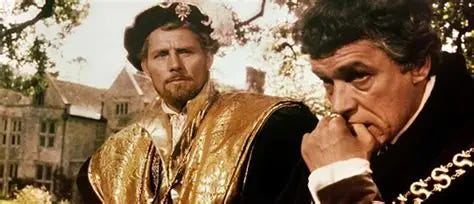
In 1535, individuals were required to swear that they accepted Henry VIII as the head of the English church and his second wife, Anne Boleyn, as the legitimate queen. Many hid their opinions and took the oath, but More refused to swear to words he didn’t believe. The script explores themes of conscience and freedom of thought, but above all it exposes a justice system twisted to enforce political obedience and submission. At one point, More says to his accusers: “What you have hunted me for is not my actions, but the thoughts of my heart.”
“Justice” in The Queen’s Musician
My own novel chronicles another merciless miscarriage of justice. In 1536, five men were accused of adultery and treason with Anne Boleyn. Most historians believe the charges were fabricated so Henry VIII could oust the queen speedily with no questions asked. The case relied on a coerced confession and indictments riddled with errors. Moreover, the Tudor justice system was stacked in the state’s favor:
Defendants weren’t informed of the charges against them until they appeared in court. So much for preparing your defense.
They weren’t presumed to be innocent.
They had no right to counsel.
My protagonist, Mark Smeaton, is the young musician who “admitted” to having sex with Anne Boleyn. There are no reliable accounts of his interrogation, but experts believe he was taken to Thomas Cromwell’s house where he was brutalized and traumatized into signing a document. At the time, custom allowed the use of torture with people of lower rank, such as a musician. The other accused were gentlemen.
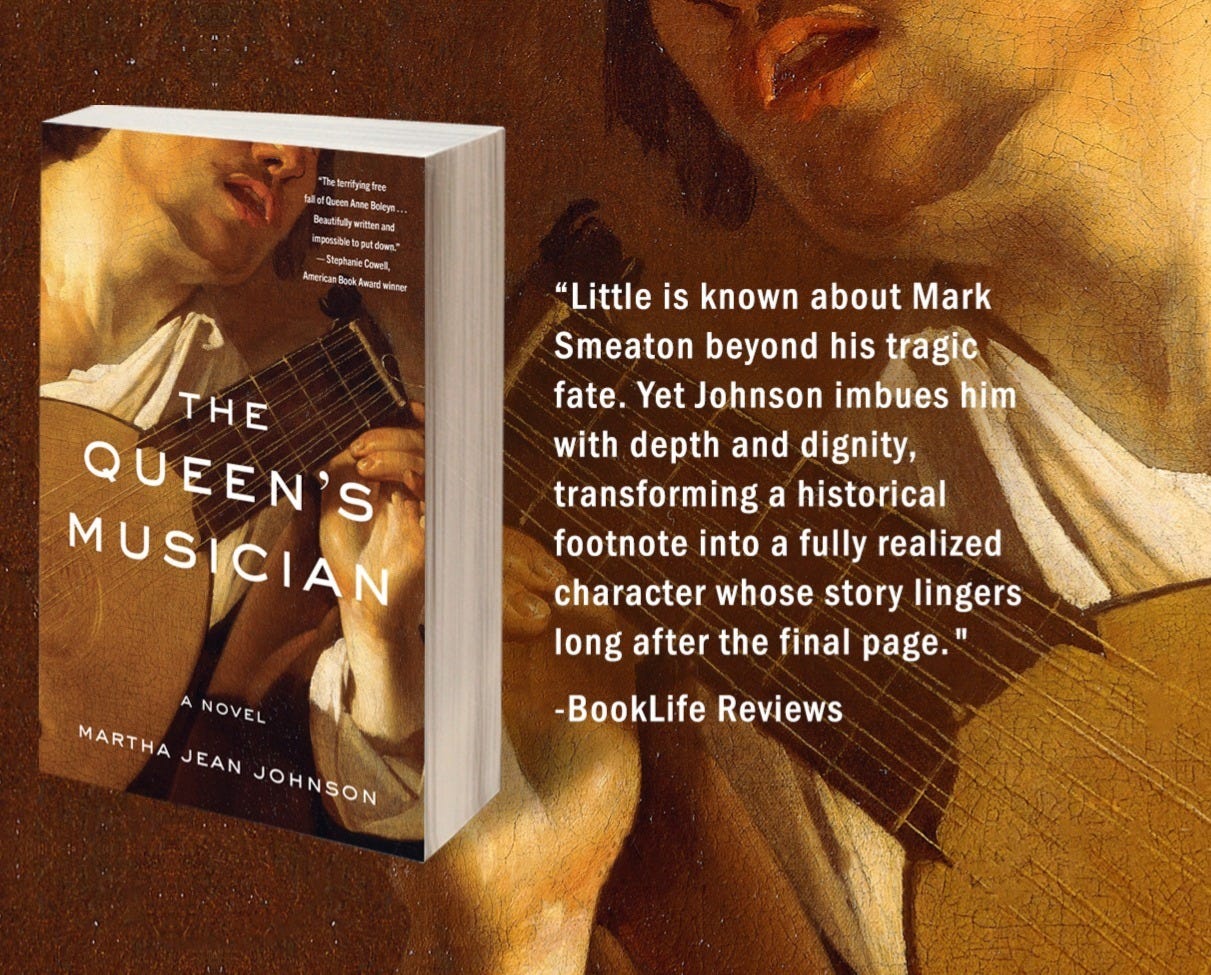
We do have records of the indictments charging each of the five men with adultery with the queen on specific dates. Historians have compared these dates to royal archives and shown that most of the assignations were impossible. Either the queen or the accused was in a different location. Moreover, the jury consisted of men who knew what the king wanted and delivered it.
In my chapter describing the trial, Mark Smeaton says: “In this moment, I was more conscious of my low rank than I had ever been. I had never seen a trial, and I could barely follow the legal phrases. I didn’t know what rights I had—if I had any . . . .”
But his trial was never meant to provide justice. It was designed to serve the king.
When I read about historical trials in fiction or nonfiction, I begin assessing the fault lines in our contemporary justice systems. Are our practices fair? Are they likely to reveal a defendant’s guilt or innocence?
I would say “mostly,” but not always—and that’s not good enough for me.
Over to you
Do you have a favorite courtroom drama? Which one is the most powerful cautionary tale for you?

As you do with almost every Historical Magic piece you write, you moved my thinking immediately into the relationship of your observations with contemporary people and events. I want to believe that our courts strive for justice in their outcomes, but for me there is too much evidence that even what should be supreme is not Supreme. How much do law schools prepare students for procedures that are truly fair or are instead theatrics?